PIR vs mmWave Occupancy Sensor Switch: Which Powers the Room Better
PIR vs mmWave is the detection choice for a hotel occupancy sensor switch. PIR is low-cost motion detection; mmWave detects still occupancy…

PIR vs mmWave is the detection-technology choice that decides how a hotel occupancy sensor switch knows a room is empty, and which hotel occupancy sensor switch fits a given room. PIR (passive infrared) is a low-cost sensor that fires when a warm body moves across its field of view, so it is cheap but blind to a stationary person; mmWave (millimeter-wave radar) senses micro-motion such as breathing, so it detects a still-occupant and will not power off on a sleeping guest. PIR vs mmWave therefore maps directly to room type: a PIR occupancy sensor switch suits hallways and meeting rooms with walk-in traffic, while an mmWave presence-detection switch suits bedrooms where guests sit or lie still for hours. Both feed the same 30A relay and flush panel, so a hotel occupancy sensor switch differs only in its sensor module, not in the wiring. A hotel occupancy sensor switch adds card-free, forget-proof energy saving on top of any key card power switch.
PIR vs mmWave: PIR Occupancy Sensor Switch for Motion
A PIR occupancy sensor switch watches for changes in infrared heat across zones; when someone walks through, it closes the relay and the room powers up, and after a no-motion timeout it opens the circuit. The PIR model is the lowest-cost option and draws almost no power, which makes it ideal for corridors, restrooms, and meeting rooms where occupancy always means motion. Its limit is the sleeping or seated guest: a person who stops moving reads as absent, so a PIR occupancy sensor switch can cut power on someone reading in bed. For those rooms, pair a PIR occupancy sensor switch with a door-contact link (power off only when the door closes on an empty room) or step up to mmWave. A PIR switch is the right call where traffic is always moving and budget is tight.
PIR vs mmWave: mmWave Presence-Detection Switch for Still Occupancy
An mmWave presence-detection switch emits a 24GHz or 60GHz radar chirp and analyzes the micro-Doppler signature of human breathing at 0.2–0.5 Hz, so it detects a person who is sitting motionless or lying asleep. Because it senses presence rather than motion, an mmWave occupancy sensor switch keeps the room on for a sleeping guest and powers off only after they genuinely leave. The cost is higher than PIR and slightly more RF design care, but for bedrooms it is the only sensor that matches real occupancy. A hotel occupancy sensor switch with mmWave is the card-free equivalent of a key card power switch that never gets "lost" — the room stays comfortable while occupied and saves energy when empty. Combine it with a door-contact linkage switch for the tightest loop.
PIR vs mmWave: How to Choose a Hotel Occupancy Sensor Switch
Choose by room behavior, not by price alone. Meeting rooms, corridors, restrooms → PIR occupancy sensor switch (motion is occupancy). Guest bedrooms, lounges, reading areas → mmWave presence-detection switch (stillness is still occupancy). Tightest savings anywhere → add a door-contact input so power cuts the moment an empty room's door closes, regardless of sensor. Both mount in the same 86×86×48mm flush box and switch the same 30A room load, so a hotel occupancy sensor switch deploys as easily as a card switch. See the hotel energy management system for how occupancy and card control combine per room.
Not sure which sensor fits your project?
Talk to our mmWave application engineers for a free consultation.
Find the right presence sensor for your hotel project
Compare the 3 protocols, check hotel-specific case studies, and download the installation guide
Related products
2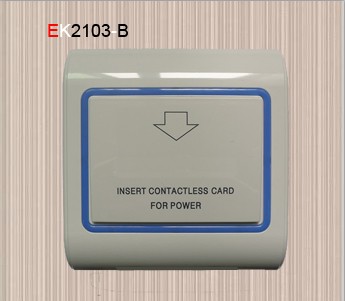
Hotel Occupancy Sensor Switch — PIR / Radar Room Power Control
Hotel occupancy sensor switch that powers the room by presence, not by card. PIR or mmWave detection, AC 180–250V, 30A, door-contact linkage. A hotel occupancy sensor switch and presence-detection switch for card-free room energy saving.
This page already points to it as the next recommended reference.
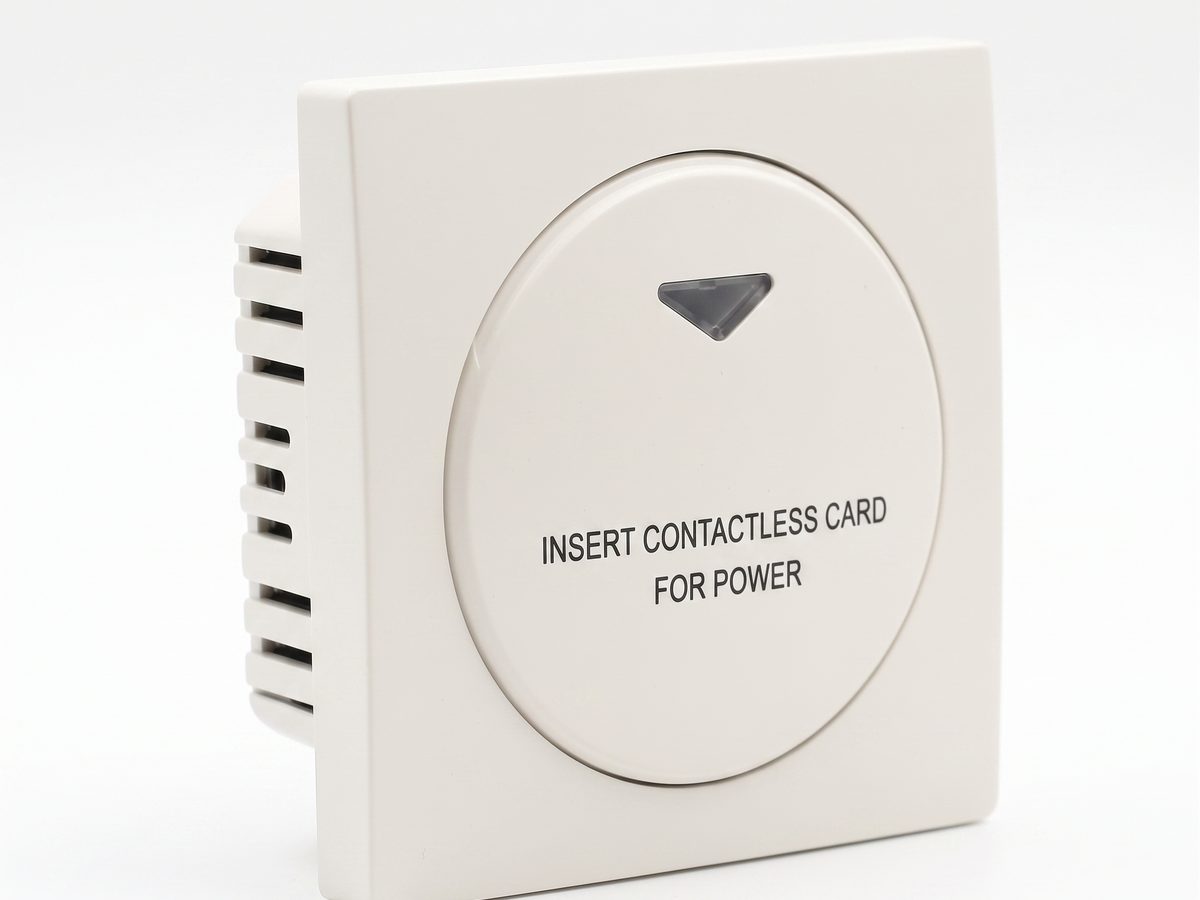
Hotel Key Card Switch — Guest Room Power Control
Hotel key card switch for guest room power control. RFID/IC card detection, insert-and-power, card removal time-delay power-off. 220V AC, 10A-16A, RS485 or dry contact. CE RoHS. OEM/ODM supplier.
This page already points to it as the next recommended reference.
Related solutions
3 Hotel Energy Management System — Room Power Control That Pays Back
A hotel energy management system built on key card switches, RFID energy savers, and occupancy sensors that cuts 25–40% of guest-room electricity. Guest room energy controller guidance for hotels retrofitting room power.
This page already points to it as the next recommended reference.
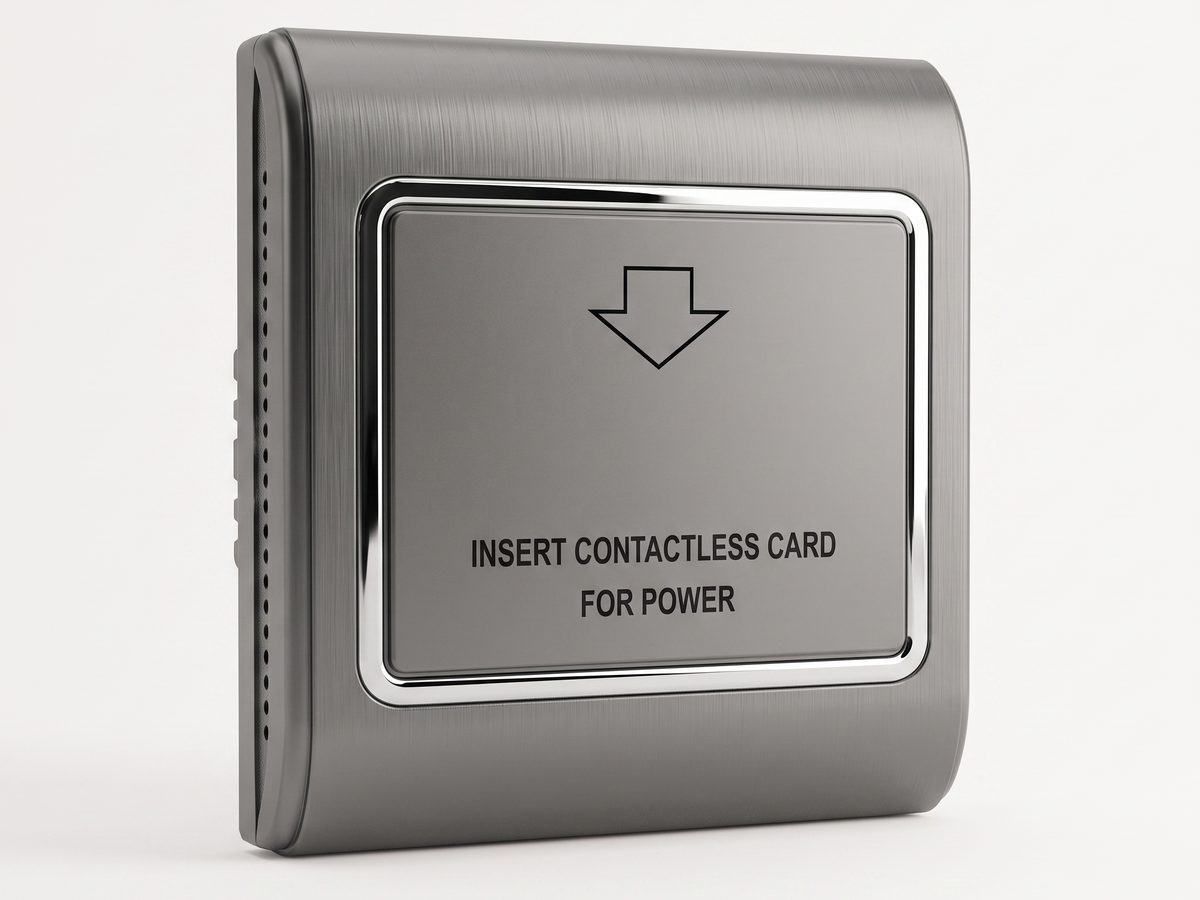
Hotel Energy Saving Switch Buying Guide 2026
A hotel energy saving switch buying guide covering universal card, RFID/MIFARE, TTLOCK compatible, BLE smart, and occupancy sensor switches. Pick the right key card power switch, card insert power switch, and energy saving key switch for your rooms.
This page already points to it as the next recommended reference.
Guest Room Management System Based on Card-Controlled Power
A practical guest-room management system for controlling room power through key card switches, contactors, and clearly documented operating rules.
It supports the same product context: Hotel Key Card Switch — Guest Room Power Control.
Related blog posts
3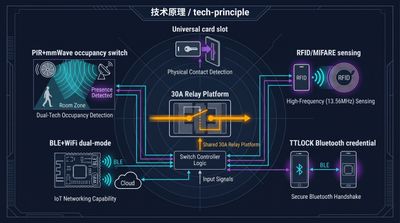
Hotel Key Card Switch: Types, Models, and How to Specify
A hotel key card switch spans universal, RFID, TTLOCK, BLE, and occupancy models. This guide to the key card / keycard switch family covers the head terms —…
It supports the same product context: Hotel Key Card Switch — Guest Room Power Control, Hotel Occupancy Sensor Switch — PIR / Radar Room Power Control.

RFID vs NFC for Hotel Key Card Switches: Which Card Tech to Choose
RFID vs NFC for hotel key card switches comes down to range and lock-in: 125kHz / 13.56MHz RFID (MIFARE, Temic) is the hotel standard for room-bound power…
It supports the same product context: Hotel Key Card Switch — Guest Room Power Control.
What Is a Hotel Key Card Switch and How It Saves Room Energy
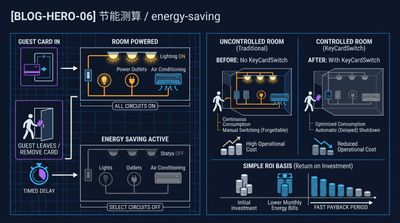
A hotel key card switch is a wall device that powers a guest room when a card is inserted and cuts it when removed, typically saving 25–40% of room…
It supports the same product context: Hotel Key Card Switch — Guest Room Power Control.
Specify your hotel project with our engineers
Send your room count, ceiling type, and protocol preference. We will return a sample plan and quote within 24 business hours.
- Move from general guidance into a product or application discussion.
- Use RFQ when pricing, drawings, MOQ, or launch timing needs structure.
- Keep a direct contact path visible for fast clarifications and handoff.