TTLOCK Compatible Energy Switch: Ecosystem and Integration Guide
A TTLOCK compatible energy switch reads TTLOCK and TTHotel MIFARE cards through sector-key auth, so it drops into an installed TTLOCK lock estate without…

A TTLOCK compatible energy switch is a room-power device that reads TTLOCK and TTHotel MIFARE cards through the same sector-key authentication the TTLOCK lock system uses, so it drops into an installed TTLOCK estate without re-carding guests. The TTLOCK compatible energy switch goes beyond UID or room-ID checks: it validates the sector key, confirms the room identity, and respects the check-in time window, so power comes on only for the right room, only during the stay, and auto-cuts at checkout. Because it shares the door card, a TTLOCK compatible energy switch extends an existing TTLOCK hotel lock investment to room power — the same card that opens the door also powers the room. For properties already on TTLOCK, this is the lowest-friction path to a hotel energy management system without touching the card issuance workflow.
How a TTLOCK Compatible Energy Switch Authenticates
The TTLOCK compatible energy switch performs the TTLOCK sector-key handshake against the inserted MIFARE card and, on success, reads the room ID and time window written by the TTLOCK PMS. If the card is not a TTLOCK card, or the room ID does not match, or the time window has expired, the relay stays open and the room stays dark. This is stricter than a UID-only universal switch and stricter than a plain MIFARE room-bound switch, because it ties power to the TTLOCK ecosystem's own authorization state. A TTLOCK ES2 energy switch therefore enforces the stay automatically: a guest who checks out has the window closed by the PMS, and the room powers down on its own — no front-desk reset, no manual switch flip. The encrypted keycard switch behavior blocks cloned or wrong-room cards the same way the door lock does.
TTLOCK ES2 Energy Switch vs Other Models
Against the universal, RFID, and BLE models, the TTLOCK compatible energy switch trades some openness for ecosystem fit. The universal hotel key card switch reads any M1 card but cannot bind to TTLOCK; the MIFARE energy saver binds to a room but does not know the TTLOCK time window; the BLE smart model adds a phone app and cloud log but speaks its own credential, not TTLOCK. The TTLOCK ES2 energy switch is the only one that natively consumes TTLOCK authorization, which is why it is the correct pick for a TTLOCK-equipped property. All four share the same 30A relay, AC 180–250V input, 15-second delay-off, and flush 86×86×48mm panel, so mechanically they are interchangeable — only the trust rule differs. A key card power switch retrofit on TTLOCK is therefore a drop-in, not a re-platform.
Deploying a TTLOCK Compatible Energy Switch
Deploy by mapping each room to its TTLOCK door card and confirming the sector key with your TTLOCK lock model. The TTLOCK compatible energy switch mounts in the standard single-gang box, connects the 30A room-circuit relay, and begins reading TTLOCK cards with no separate enrollment. For mixed estates — some TTLOCK rooms, some not — pair the TTLOCK model with a universal or MIFARE model per room rather than forcing one type property-wide. The TTLOCK compatible energy switch is the spoke that fits the TTLOCK hub; use the hotel energy saving switch buying guide to assign models room-by-room, and the hotel energy management system view to roll it up into one BOM.
Not sure which sensor fits your project?
Talk to our mmWave application engineers for a free consultation.
Find the right presence sensor for your hotel project
Compare the 3 protocols, check hotel-specific case studies, and download the installation guide
Related products
2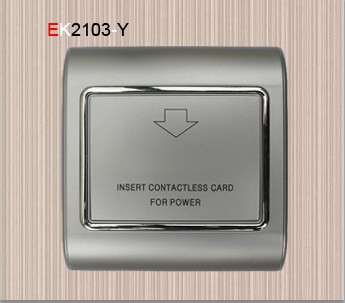
TTLOCK Compatible Energy Switch — Room-Bound + Time-Limited (Type C)
TTLOCK compatible energy switch with room ID and time limit. Works with TTLOCK / TTHotel MIFARE cards via sector-key auth, AC 180–250V, 30A. An encrypted keycard switch and TTLOCK ES2 energy switch for ecosystem-locked hotel retrofits.
This page already points to it as the next recommended reference.
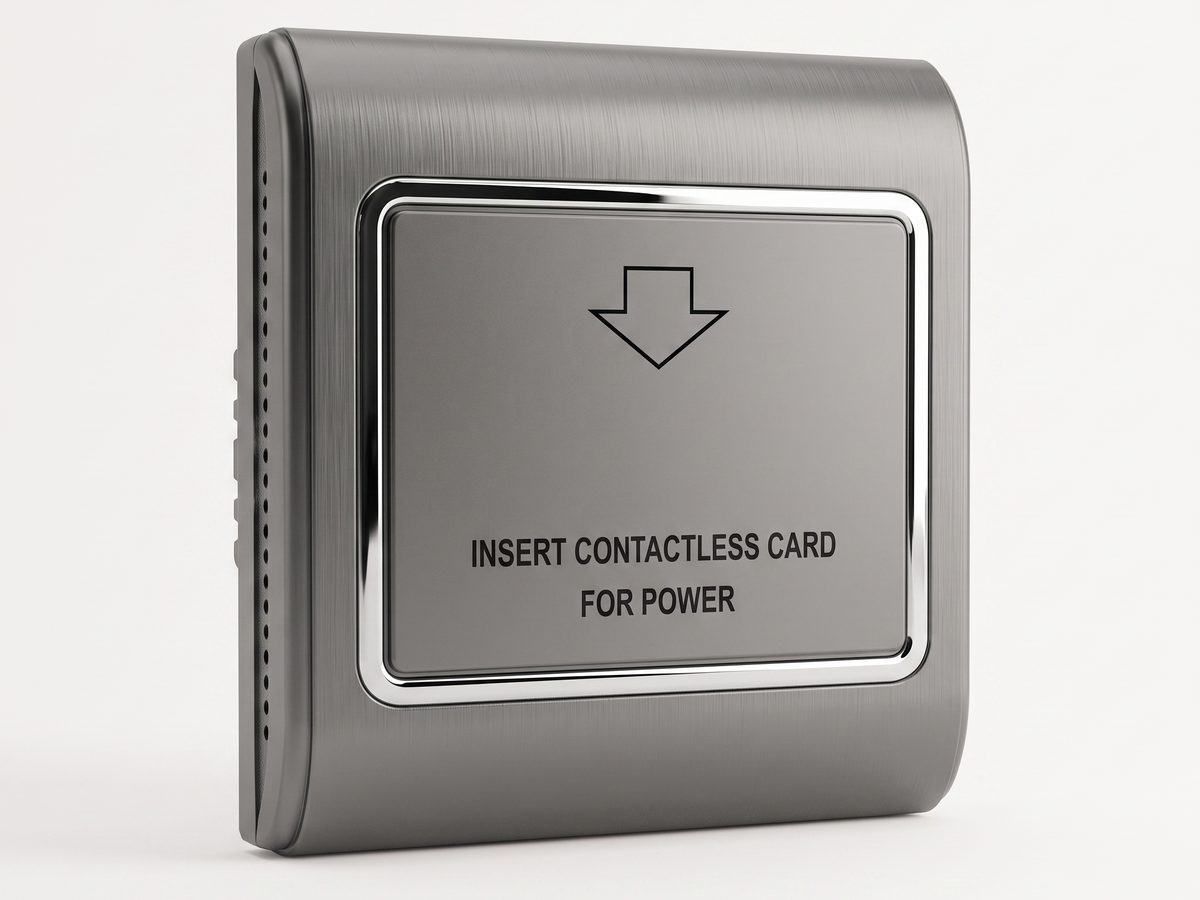
RFID Energy Saving Switch — Room-Bound MIFARE Card Switch (Type B)
RFID energy saving switch that binds power to a specific room MIFARE card. 13.56MHz MIFARE / 125kHz Temic, AC 180–250V, 30A, 15s delay-off. An RFID hotel switch that stops card-sharing between rooms and cuts 25–40% room energy.
This page already points to it as the next recommended reference.
Related solutions
3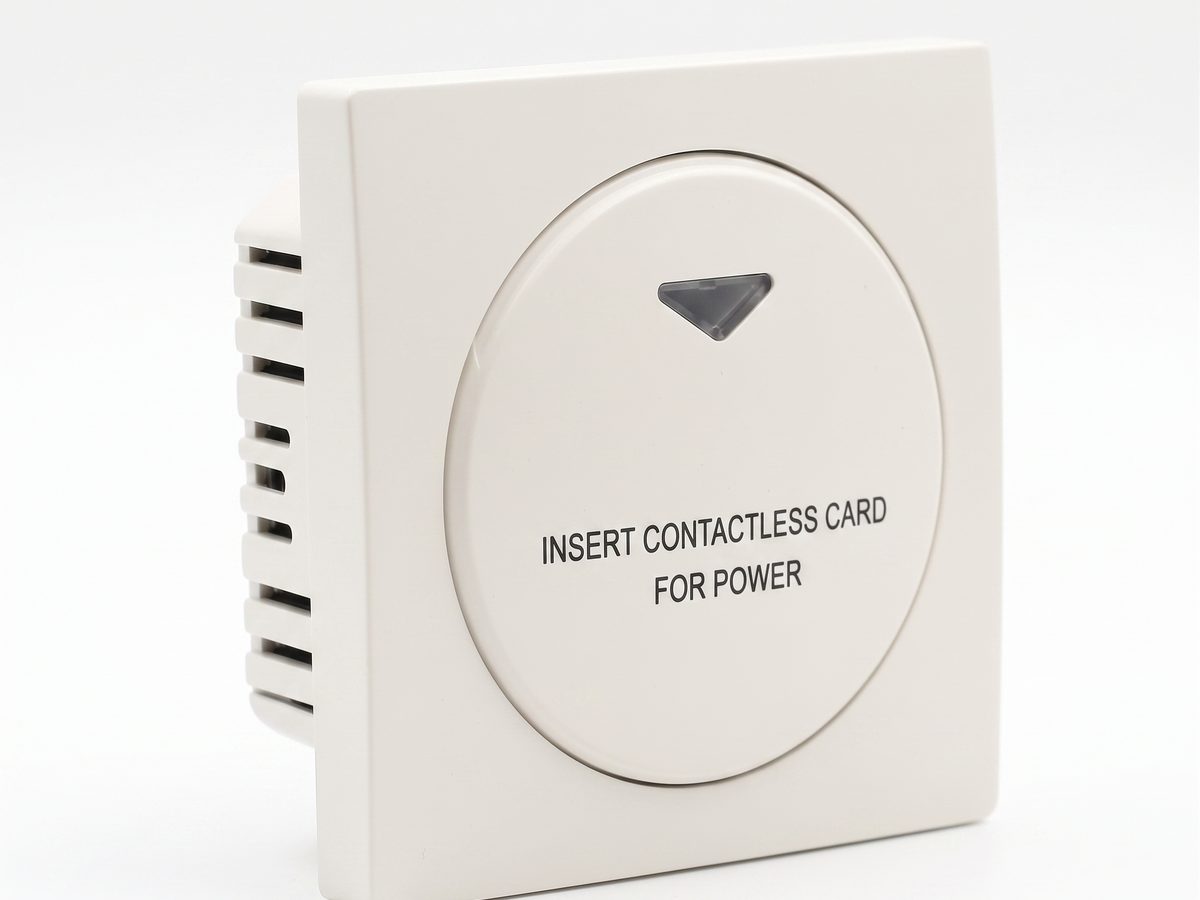
Hotel Energy Management System — Room Power Control That Pays Back
A hotel energy management system built on key card switches, RFID energy savers, and occupancy sensors that cuts 25–40% of guest-room electricity. Guest room energy controller guidance for hotels retrofitting room power.
This page already points to it as the next recommended reference.
Hotel Energy Saving Switch Buying Guide 2026
A hotel energy saving switch buying guide covering universal card, RFID/MIFARE, TTLOCK compatible, BLE smart, and occupancy sensor switches. Pick the right key card power switch, card insert power switch, and energy saving key switch for your rooms.
This page already points to it as the next recommended reference.
Guest Room Management System Based on Card-Controlled Power
A practical guest-room management system for controlling room power through key card switches, contactors, and clearly documented operating rules.
It supports the same product context: RFID Energy Saving Switch — Room-Bound MIFARE Card Switch (Type B).
Related blog posts
3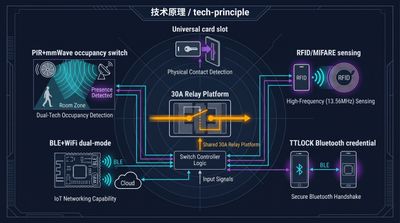
Hotel Key Card Switch: Types, Models, and How to Specify
A hotel key card switch spans universal, RFID, TTLOCK, BLE, and occupancy models. This guide to the key card / keycard switch family covers the head terms —…
It supports the same product context: RFID Energy Saving Switch — Room-Bound MIFARE Card Switch (Type B), TTLOCK Compatible Energy Switch — Room-Bound + Time-Limited (Type C).

RFID vs NFC for Hotel Key Card Switches: Which Card Tech to Choose
RFID vs NFC for hotel key card switches comes down to range and lock-in: 125kHz / 13.56MHz RFID (MIFARE, Temic) is the hotel standard for room-bound power…
It supports the same product context: RFID Energy Saving Switch — Room-Bound MIFARE Card Switch (Type B), TTLOCK Compatible Energy Switch — Room-Bound + Time-Limited (Type C).
What Is a Hotel Key Card Switch and How It Saves Room Energy
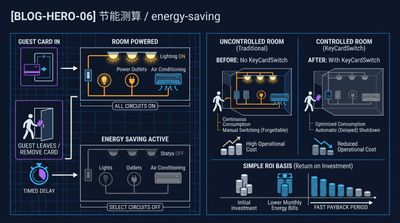
A hotel key card switch is a wall device that powers a guest room when a card is inserted and cuts it when removed, typically saving 25–40% of room…
It supports the same product context: RFID Energy Saving Switch — Room-Bound MIFARE Card Switch (Type B), TTLOCK Compatible Energy Switch — Room-Bound + Time-Limited (Type C).
Specify your hotel project with our engineers
Send your room count, ceiling type, and protocol preference. We will return a sample plan and quote within 24 business hours.
- Move from general guidance into a product or application discussion.
- Use RFQ when pricing, drawings, MOQ, or launch timing needs structure.
- Keep a direct contact path visible for fast clarifications and handoff.